§02 / The anatomy
EVERY SHOE LEAVES A PRINT.
01
The narrow toe box
A tapered forefoot presses five toes into the space of three. The big toe drifts inward, the base of support narrows, and the foot loses the width it uses to balance.
02
The raised heel
03
The rigid sole
04
The crooked last
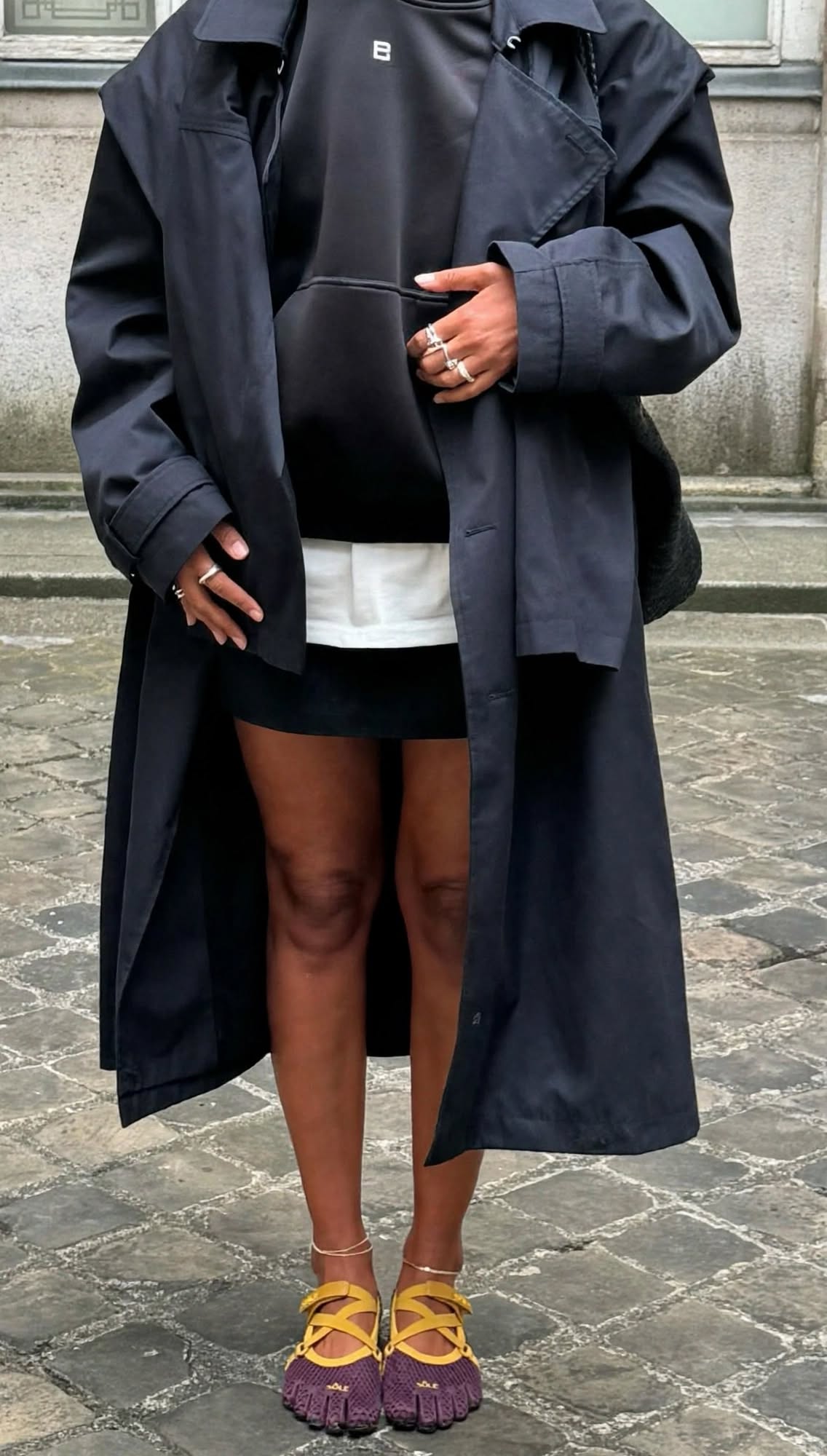 Fig. 01 / unshod (A) against a lifetime shod (B, C)
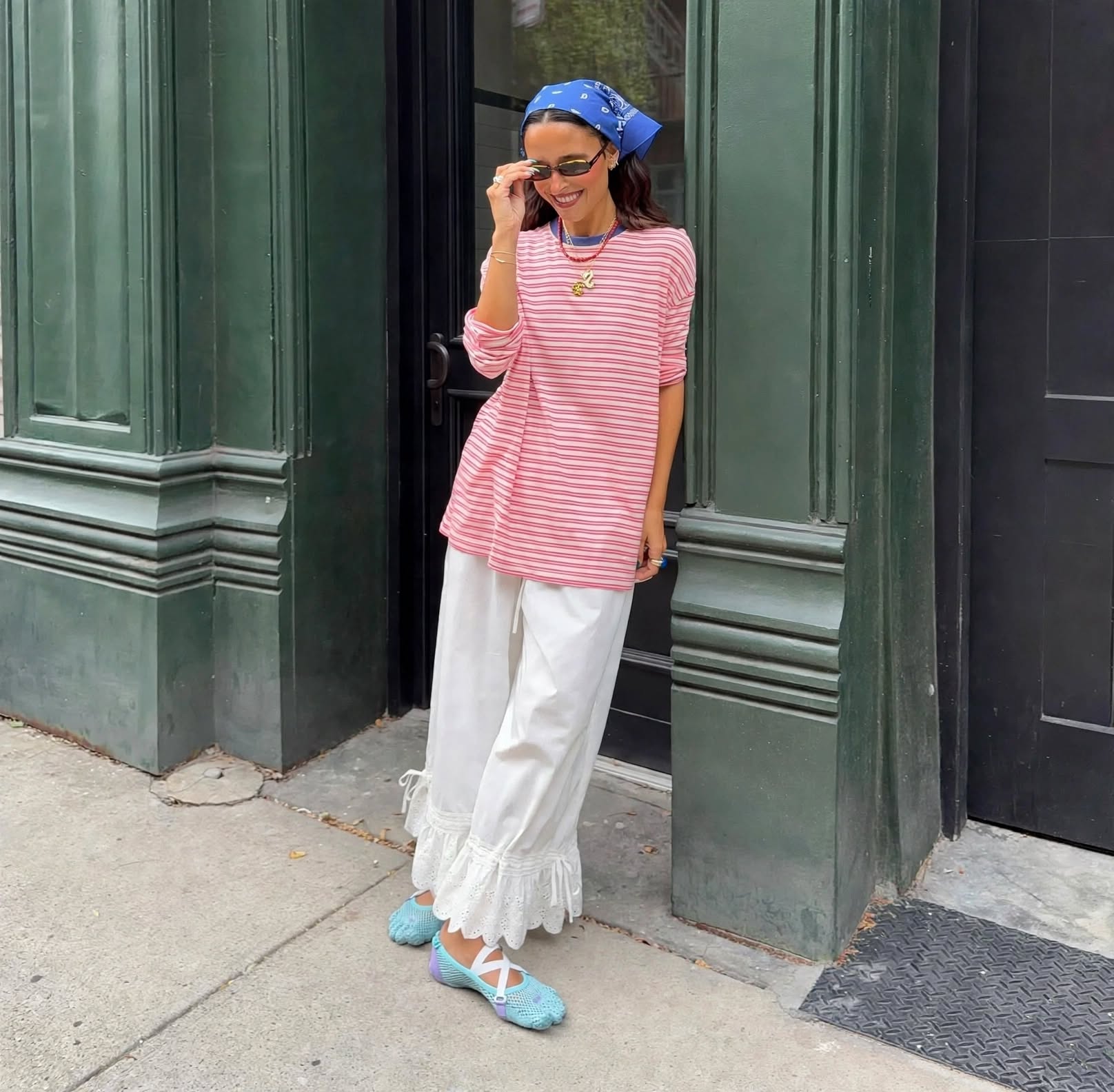 Fig. 04 / your print against a standard last
Why barefoot
Barefoot-style shoes do not add anything to the foot. They take away what stops it doing its job: the stiff sole, the raised heel and the narrow toe box.
A
A stronger foot
Each foot holds 26 bones, 33 joints and over a hundred muscles, tendons and ligaments. A stiff, cushioned shoe does much of that work for them, and muscles that are not asked to work weaken. A flexible, thin sole hands the job back to the foot, and the small stabilising muscles of the arch and toes start to do what they were built for.
B
Better balance
The sole of the foot is packed with sensory receptors that report pressure, texture and tilt to the brain. Thick foam mutes that signal. With a thin sole you feel the ground, so the body can correct its balance sooner and with smaller adjustments.
C
Natural alignment
With zero drop the heel and forefoot share one plane, so the pelvis and spine are not tipped forward by the shoe. Posture is set by the body, not by the height of the heel.
D
A more natural stride
Without a cushioned heel to land on, most people shorten their stride and land closer to the midfoot, spreading the load across the whole foot and the legs’ own springs instead of driving it into the heel.
Why five separate toes
The big toe is the foot’s main lever for balance and push-off. It works best when it can sit straight and move on its own, and a shared toe box pulls it toward the others.
Separate toe pockets keep every toe in its own lane, so the toes can spread, grip and steady you as you walk, and they stop rubbing against each other.
Easing in
- 01Start with short wears: an hour or two a day for the first week.
- 02Add time gradually. Calves and feet may feel worked at first, and that is normal.
- 03Stop if anything hurts sharply, and keep your old shoes for long days while you adapt.
“Most modern shoes have quite a tapered toe box, which means our toes are scrunched together and you can’t really press down or engage your toes, therefore also engage your intrinsic foot muscles.”
Rina Harris · Functional podiatrist, London · National Geographic, 2024
The flat is built around every point above: five toe pockets, zero drop, a 3mm flexible sole and a straight-axis last.
Shop the flat